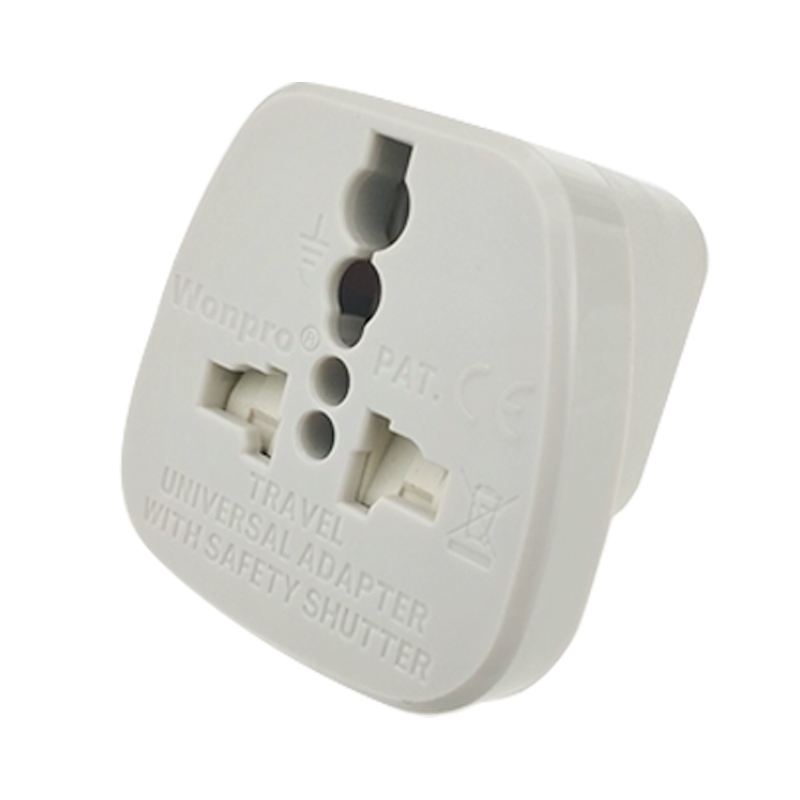
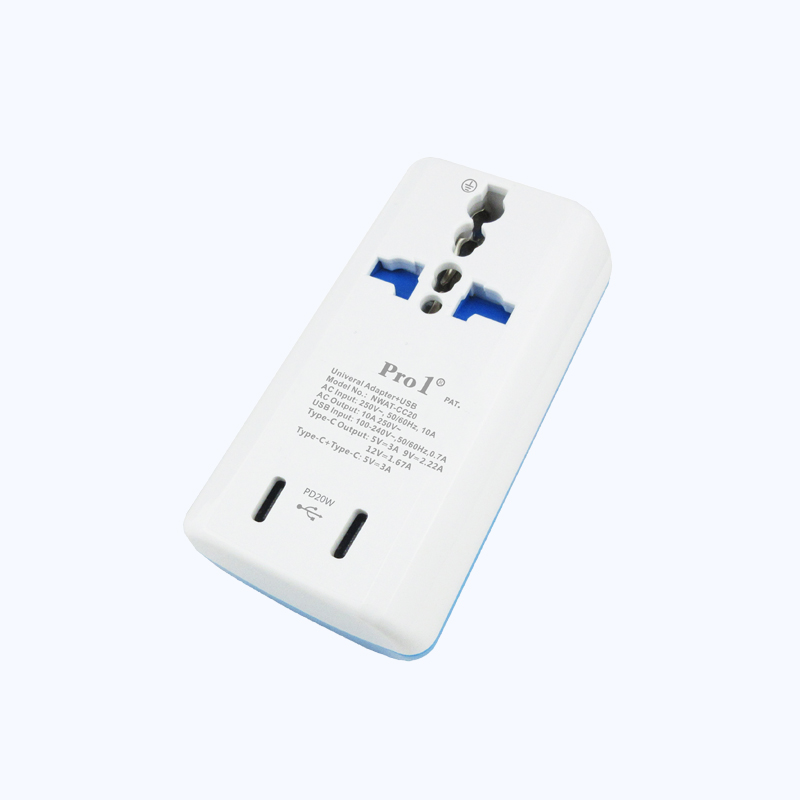
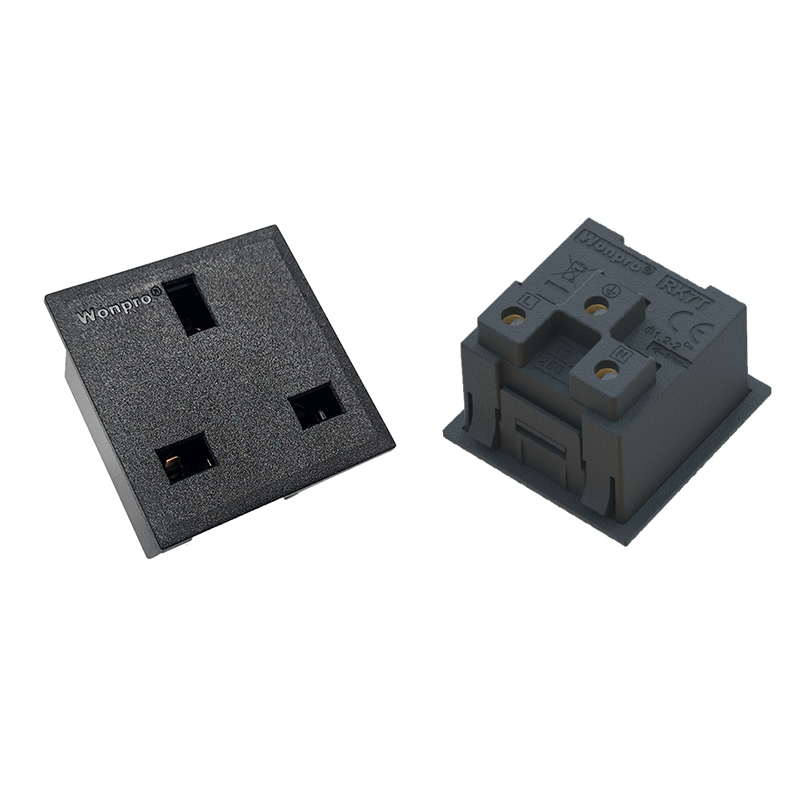
China's multi-purpose travel converter industry is poised for rapid growth between 2025 and 2030, with the market share and competitive strategies of leading enterprises serving as key drivers of industry development. In terms of market size, China's multi-purpose travel converter market is projected to reach RMB 4.5 billion in 2025 and exceed RMB 8 billion by 2030, maintaining a compound annual growth rate (CAGR) of approximately 12%. Leading enterprises dominate the market, with the combined market share of the top five exceeding 60% — among them, leading Enterprise A holds 25%, while Enterprises B and C account for 15% and 12% respectively. These leading players boast distinct advantages in product innovation, channel layout and brand building, consolidating their industry positions through continuous technological R&D and precise market positioning.
In terms of product strategy, leading enterprises focus on multi-functionality and intelligence. Enterprise A has launched travel converters featuring USB-C fast charging, wireless charging and automatic voltage regulation, priced between RMB 200 and 500. Its high-end product line contributes 45% of the company's revenue. Enterprise B specializes in lightweight design, keeping product weight under 100 grams while being compatible with socket standards in 150 countries worldwide, with monthly sales on e-commerce platforms exceeding 100,000 units. Enterprise C has developed intelligent temperature control technology, using built-in chips to real-time monitor device temperature, reducing product failure rate to below 0.5%. Leading enterprises invest 8% to 12% of their annual revenue in R&D to ensure technological leadership, shortening the product update cycle to 6-8 months to quickly respond to market demand changes.
Channel layout is a critical competitive area for leading enterprises. Enterprise A has established an omni-channel sales network covering online and offline channels, with annual sales of over RMB 500 million through its official flagship stores on platforms such as JD.com and Tmall, and 200 brand specialty stores in 30 key cities nationwide. Enterprise B adopts a differentiated channel strategy, focusing on expanding retail terminals in travel scenarios such as airports and high-speed rail stations, and has established strategic cooperation with major domestic airlines, with in-flight sales accounting for 20%. Enterprise C expands overseas markets through cross-border e-commerce platforms, selling products to more than 50 countries and regions in Europe, America and Southeast Asia, with an average annual growth rate of over 25% in overseas business. Leading enterprises allocate 40% of their total marketing budget to channel construction to ensure the breadth and depth of market coverage.
In brand building, leading enterprises enhance market influence through diversified marketing. Enterprise A signs well-known travel bloggers and technology KOLs for product promotion, achieving an annual growth rate of 80% in social media exposure and ranking first in brand search popularity among similar products. Enterprise B focuses on scenario-based marketing, launching thematic promotional activities during peak travel seasons, with single-day sales exceeding RMB 80 million during the 2025 Double 11 Shopping Festival. Enterprise C enhances international brand awareness by sponsoring international sports events, with brand recognition reaching 75% among target user groups. Leading enterprises have significant brand premium capacity, with average product prices 15% to 20% higher than the industry average.
Cost control and supply chain management are important guarantees for leading enterprises to maintain competitiveness. Enterprise A reduces raw material costs by 12% through large-scale procurement and signs long-term cooperation agreements with core suppliers to ensure supply stability. Enterprise B has established production bases in Southeast Asia, reducing labor costs by 30% compared to domestic levels and maintaining a product gross profit margin of over 35%. Enterprise C introduces intelligent manufacturing technology, improving production efficiency by 25% and controlling defective product rate below 0.3%. Leading enterprises achieve cost advantages through supply chain optimization, providing support for price competition and market expansion.

 Network Supported